

Around 1 in every 10 patients is harmed in a health care setting, and more than 3 million deaths occur annually due to unsafe care. That sobering statistic from the World Health Organization (WHO) is exactly why September 17, World Patient Safety Day, matters so much.
Every year, this global awareness day reminds us of a simple truth: patient safety is the foundation of quality care. Whether you’re visiting your family doctor, giving birth, or considering joining a clinical trial, your safety should always come first.
Yet if you’ve ever wondered whether clinical trials are safe, you’re not alone. Skepticism is understandable. With so much misinformation circulating online, it’s easy to fear being treated as a “test subject” or worry about unexpected side effects.
On World Patient Safety Day, it’s worth looking closer at what really happens in clinical research. The reality is reassuring: clinical trials are among the most carefully regulated and ethically monitored areas of modern health care.
This blog will help you understand why patient safety is at the heart of every trial, the protections in place for participants, and how being part of research not only safeguards you but also advances public health for everyone.
World Patient Safety Day happens every year on September 17, and it was created by the World Health Organization to protect patients from harm. The idea is simple: no one should be put at risk when they’re receiving health care.
Unsafe care is more common than most people realize. Mistakes in diagnosis, medication errors, or gaps in hospital safety lead to millions of deaths worldwide each year. World Patient Safety Day raises awareness of these issues and pushes health workers, governments, and communities to do better.
Each year, the day focuses on a theme. In 2025, the spotlight is on safe care for every newborn and every child. Children are among the most vulnerable patients, and ensuring their safety also strengthens care for everyone.
So why does this matter if you’re considering a clinical trial? Because the same principles that guide World Patient Safety Day, safety first, preventing harm, protecting dignity, are the foundation of every trial. It’s not about being a “test subject.” It’s about being cared for and respected while helping improve treatment for yourself and others.

Every modern medical treatment—from vaccines to cancer therapies—exists because of clinical trials. But unlike myths might suggest, trials are not “wild experiments.” They are controlled studies designed with rigorous safeguards.
In fact, clinical trials have more layers of oversight than most areas of routine care. That’s because researchers, regulators, and health care systems recognize the responsibility that comes with inviting patients into research.
Here’s why safety is non-negotiable:
Clinical trials cannot move forward without proving that patient safety comes first.
If you’re considering joining a trial, it may help to understand the many layers of protection built around participants. These are like safety nets designed to catch risks before they ever reach you.

Informed consent is a process where researchers explain the purpose of the study, what’s expected, possible risks, and your rights. You can ask questions, take your time, and ultimately decide if it feels right for you. Importantly: you can leave a trial at any time, without penalty.
Every clinical trial follows a strict protocol, a detailed plan that spells out exactly how the study will run. From how medications are given to how side effects are tracked, nothing is left to chance. This ensures the study remains a controlled study where your health is monitored closely.
Health workers, nurses, and physicians trained in research safety are with you every step of the way. Trials are not isolated labs. They’re supported by entire health care systems who are committed to safety and transparency.
Even with the best planning, side effects can happen. That’s why adverse event monitoring is continuous. If something unexpected occurs, safety boards and regulators step in immediately to adjust or stop the study if necessary.
Because the WHO and other international bodies prioritize patient safety, trials conducted in different countries must align with global health standards. That means participants should expect the same protections no matter where a trial occurs.
One of the biggest myths about clinical trials is that participants are treated like “guinea pigs.” The truth couldn’t be more different. When you join a trial, you are a partner in science. Your contribution is valued by researchers and future patients who may benefit from safer, more effective treatments.
This partnership means:
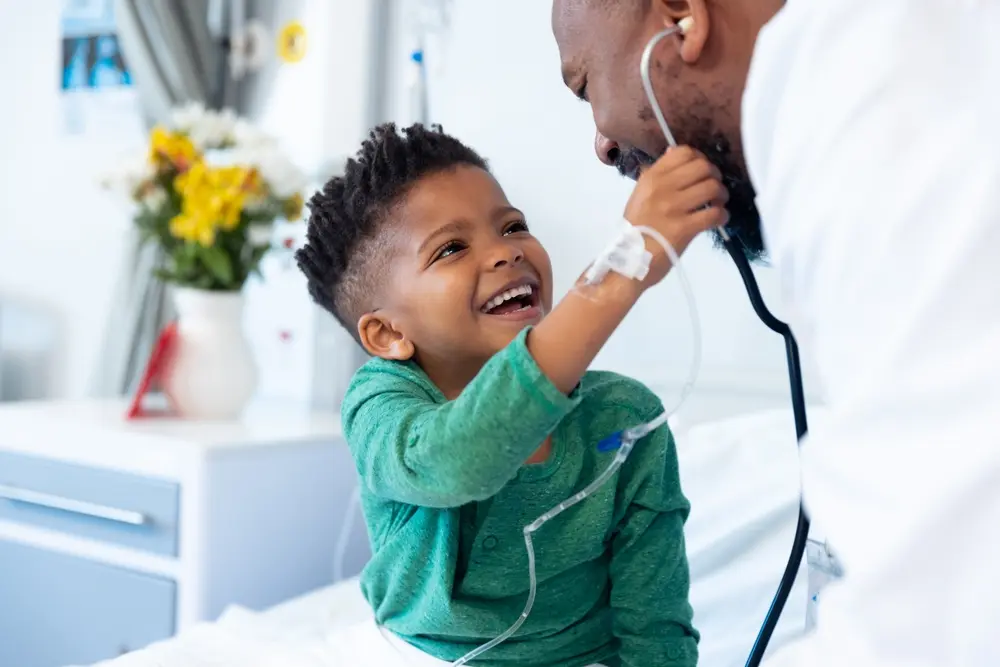
It’s normal to feel hesitant about clinical research. Let’s address a few common concerns:
When you know the facts, it becomes easier to separate rumors from reality.
The ripple effects of patient safety go far beyond one trial. When clinical research prioritizes safety, it strengthens entire health care systems, improves health outcomes, and reduces patient harm.
On World Patient Safety Day, this shared responsibility reminds us that when one patient is safe, entire communities are safer too.
If you’ve been considering new treatment options or simply want to contribute to advancing medicine, participating in a clinical trial could be a safe and meaningful option.
At Science 37, patient safety is at the heart of every trial. With decentralized clinical trials, you can take part from the comfort of your home, knowing that rigorous standards and real-time monitoring are always in place.
Your health. Your choice. Your safety. If you’re ready to explore whether a clinical trial is right for you, consider joining one of Science 37’s ongoing studies today.