

When most people think of Chronic Obstructive Pulmonary Disease (COPD), they imagine a cough that won’t go away or feeling winded after climbing a flight of stairs. While shortness of breath is the most visible sign, it is often just the tip of the iceberg.
For the millions of people living with chronic bronchitis and emphysema, the condition is not limited to the lungs, it is a full-body experience that ripples into every corner of daily life. It affects how you sleep, how you eat, your mental health, and even your relationships.
Because COPD is progressive, its burden can grow quietly over time. You might stop going to social events to avoid the embarrassment of a coughing fit, or you might sleep in a recliner because lying flat feels suffocating.
This month, we are looking beyond the breath to uncover the lesser-known realities of living with COPD and how you can reclaim your quality of life through proactive management and participation in decentralized clinical trials for chronic conditions.
While respiratory symptoms are the hallmark of the disease, the systemic nature of COPD often leads to surprising complications that many patients, and even some caregivers overlook.
Heart Health Connections: Low oxygen levels can strain the heart, leading to conditions like pulmonary hypertension (high blood pressure in the arteries of the lungs). This is why heart health monitoring is a critical part of COPD treatment.

The impact of COPD is often measured in "lung function" tests, but the real measure is in the moments you miss.
It’s the family dinner you skip because you’re worried about the cooking fumes. It’s the walk you don’t take because you’re afraid you won’t find a place to sit. It is the constant "energy math" you have to do every morning, calculating if you have enough breath to shower and get dressed, or if you have to choose one.
Over time, this can lead to a shrinking world. But it doesn't have to be that way. Understanding that these challenges are part of the disease, and not personal failures is the first step toward managing them.
Living well with COPD requires more than just an inhaler; it requires a strategy. Here is a practical "How-To" guide for stabilizing your health and preventing respiratory failure.
Work with your doctor to create a written long term action plan. This document should clearly define what your "green zone" (good days) looks like versus your "red zone" (emergency symptoms). Knowing exactly when to take emergency antibiotics or steroids can stop a flare-up from becoming a hospitalization.
If you have a history of smoking, you are at higher risk for lung cancer. Annual lung cancer screening with a low-dose CT scan is recommended for many COPD patients. Catching issues early gives you the best chance for successful treatment.

Re-learn how to move. Exhale during the hardest part of an action (like lifting a grocery bag) and inhale while resting. Keep a stool in the kitchen and bathroom so you can sit while performing daily tasks.
The standard of care for COPD is constantly evolving. From pulmonary rehabilitation programs that rebuild stamina to new combinations of bronchodilators, there are more tools than ever to help you breathe easier.
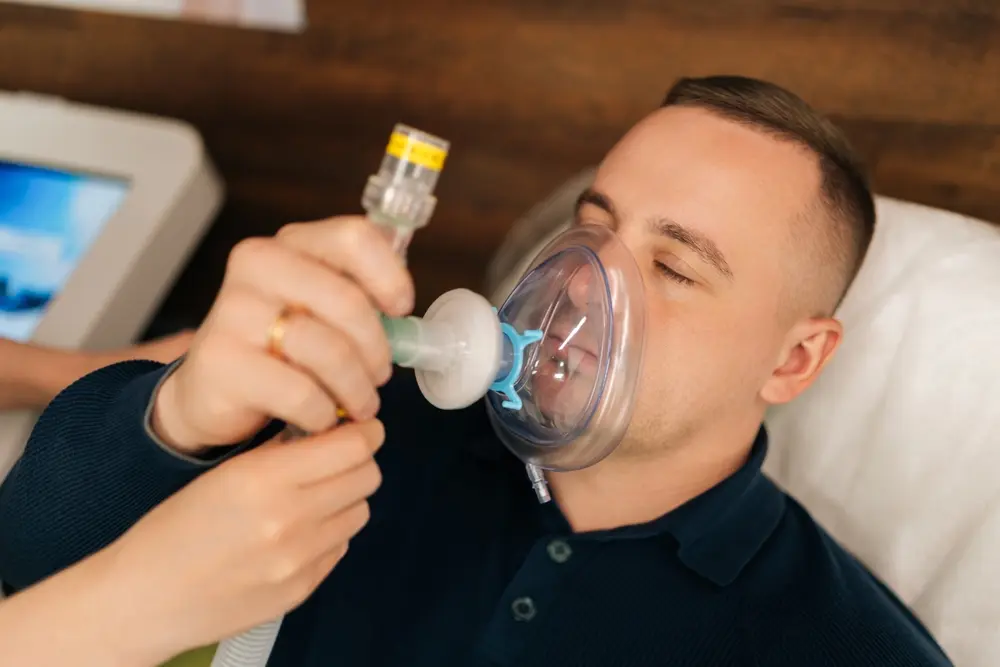
One of the biggest hurdles to better COPD treatment is the burden of traditional research. For a patient who struggles to walk to the mailbox, driving to a research center for weekly visits is often impossible.
This is where decentralized clinical trials for chronic conditions are changing the game. By bringing the trial to your home, Science 37 allows you to participate in groundbreaking research without the physical toll of travel.
A: While lung damage from emphysema is generally permanent, quitting smoking and starting pulmonary rehabilitation can significantly improve your use of the remaining lung function, making you feel less breathless and more energetic.
A: Watch for a change in your "baseline." If your cough deepens, your mucus changes color (yellow, green, or brown), or your typical rescue inhaler isn't working, you may be experiencing an exacerbation. Refer to your action plan immediately.
A: Yes, and it is essential. Inactivity weakens the muscles you use to breathe. Simple, low-impact exercises (like walking or stationary cycling) can help your body use oxygen more efficiently. Always consult your doctor before starting a new routine.
A: Smoking is the primary cause, but long-term exposure to air pollution, chemical fumes, and dust are also major risk factors. There is also a genetic condition called Alpha-1 antitrypsin deficiency that can cause COPD in non-smokers.
You are more than your diagnosis. By understanding the full scope of COPD symptoms, addressing the hidden mental and physical tolls, and exploring new avenues like clinical research, you can expand your world again.
If you are looking for a way to contribute to the future of respiratory health from the comfort of your home, we invite you to see what is possible.
[View open clinical trials for respiratory conditions at Science 37]