

For most people, epilepsy is a condition characterized by occasional seizures that, with the right medication, can often be managed. But for the parents of a child with Dravet Syndrome, the reality is vastly different.
Dravet Syndrome is not just "epilepsy." It is a rare, catastrophic form of genetic epilepsy that begins in infancy. It is resistant to many standard treatments and comes with a unique set of developmental challenges.
If you are a parent or caregiver navigating a recent diagnosis, you likely feel overwhelmed by medical terminology and the sudden shift in your family’s life. Understanding the specific nature of this condition, from the SCN1A gene to the unique seizure triggers is the first step in advocacy. While the journey is difficult, advancements in rare disease research and participating in rare disease trials are opening new doors for families who need them most.
Dravet Syndrome is a rare epilepsy in children that typically presents in the first year of life. Unlike other forms of epilepsy that might develop later or result from injury, Dravet is genetic.
Approximately 80% of cases are caused by a mutation in the SCN1A gene. This gene is responsible for the function of sodium channels in the brain, which control how brain cells communicate. When this gene mutates, the brain’s "brakes" fail to work properly, leading to unchecked electrical activity.
The condition often starts with febrile seizures, which are seizures triggered by a fever or a spike in body temperature. While febrile seizures can happen in healthy children, in Dravet Syndrome, they are prolonged, frequent, and evolve into other seizure types over time.
One of the most terrifying aspects of Dravet Syndrome is the unpredictability. Dravet syndrome symptoms vary, but the sensitivity to environmental changes sets it apart from other epilepsies.
Caregivers must become experts in managing an environment that most people take for granted. Common seizure triggers include:
Because status epilepticus (a seizure lasting longer than 5 minutes or seizures occurring close together without recovery) is a significant risk, parents often live in a state of high alert.

Caring for a child with Dravet Syndrome is a 24/7 job. It is not just about administering antiseizure medication; it is about constant surveillance.
The quality of life for caregivers is often severely impacted. You may find yourself sleeping with one eye open, monitoring monitors, or dreading the next illness. The fear of Sudden Unexpected Death in Epilepsy (SUDEP) is a heavy, silent burden that many parents carry.
We want to validate that toll. The emotional and physical exhaustion you feel is real. You are acting as a nurse, advocate, and protector, often at the expense of your own rest and well-being. This is why caregiver support is not a luxury, it is a medical necessity. Finding a community, whether online or locally, can provide a lifeline of understanding that friends and family outside the rare disease community may not offer.
For conditions like Dravet Syndrome, existing treatments often fall short. While some children find relief through a ketogenic diet for epilepsy or specific medications, many remain drug-resistant. This makes clinical research vital.
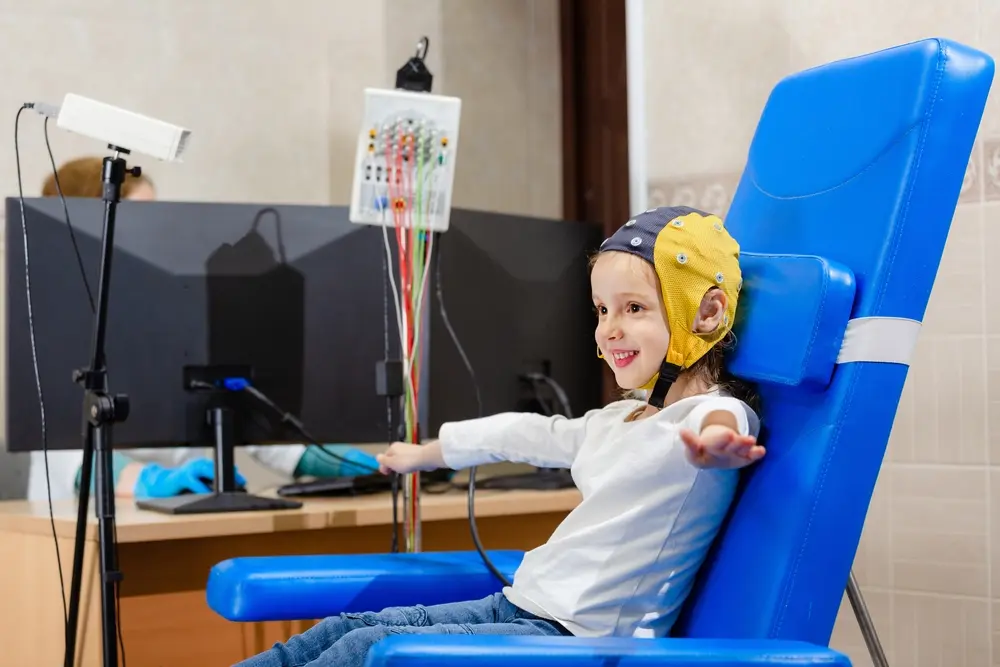
However, traditional clinical trials have historically been out of reach for Dravet families. Why? Because traveling with a seizure-prone child is dangerous. Disruption to routine, the stress of travel, and exposure to germs in hospital waiting rooms are all major seizure triggers.

This is where decentralized clinical trials are changing the landscape of pediatric neurology.
Organizations like Science 37 are bringing the trial phase directly to the patient's home. By utilizing telehealth, mobile healthcare providers, and remote monitoring, families can participate in groundbreaking research without dragging a vulnerable child to a distant research center.
A diagnosis of Dravet Syndrome changes everything, but you are not alone in this journey. The landscape of rare disease research is moving faster than ever before. New therapies targeting the root genetic causes are being explored, and clinical trials are becoming more accessible to the families who need them most.
By prioritizing your child's safety and your own mental health, and by staying informed about new research opportunities, you are doing everything possible to provide the best life for your child.
1. Is Dravet Syndrome hereditary?
While Dravet is a genetic epilepsy caused often by the SCN1A gene, it is usually not inherited from the parents. In most cases, the mutation is "de novo," meaning it occurs spontaneously in the child. However, genetic testing is essential to confirm the diagnosis and understand the specific mutation, which can guide treatment choices.
2. Can diet really help control seizures?
Yes. The ketogenic diet (a high-fat, low-carbohydrate diet) has been shown to be effective in reducing seizures for some children with Dravet Syndrome who do not respond well to medication. It is a strict medical therapy that should only be attempted under the supervision of a dietician and neurologist.
3. What is the long-term outlook for children with Dravet Syndrome?
Dravet Syndrome is a lifelong condition associated with developmental delays, speech issues, and mobility challenges that often become more apparent in the second or third year of life. While there is no cure yet, early intervention and management of seizures can help maximize a child's developmental potential and quality of life.
4. Why is participation in clinical trials important?
Because Dravet is a rare disease, the patient population is small. Every participant in a study provides critical data that helps researchers understand the condition and develop better treatments. With decentralized trials, participating in rare disease trials is now safer and more feasible for families, ensuring that long term solutions can be found faster.