

If you are a caregiver for a child with Dravet syndrome, your daily life likely revolves around one major concern: seizures. From the first terrifying instance of Febrile seizures in infancy to the complex management of epilepsy in childhood, seizure control takes center stage.
But for many families, the seizures are just the tip of the iceberg.
Dravet syndrome, typically caused by a mutation in the SCN1A gene, is a complex "channelopathy." This means the genetic variance affects sodium channels throughout the entire body, not just in the brain areas responsible for epilepsy. As a result, parents often notice a constellation of other challenges that don't always get the same attention in the doctor’s office.
These "invisible" symptoms, or comorbidities of epilepsy can impact a family's quality of life just as much as the seizures themselves. Understanding them is the first step toward better management and finding the right support.
Here are five lesser-known symptoms of Dravet syndrome that you should know about, and how modern research studies are working to address them.
One of the most difficult aspects of Dravet syndrome for families to navigate is behavior. It is common for children with Dravet to exhibit traits often associated with Autism Spectrum Disorder (ASD) or Attention Deficit Hyperactivity Disorder (ADHD).
Dravet syndrome behavior can present as hyperactivity, impulsivity, or difficulty with social interactions. You might notice sudden mood swings or outbursts that seem disproportionate to the situation. These aren't just "acting out"; they are often neurological manifestations of the condition itself.
Because the SCN1A non-seizure symptoms affect how the brain processes information, children may struggle to regulate their emotions. Recognizing this as a symptom rather than "bad behavior" can help caregivers approach discipline and support with new strategies, and help educators understand the unique needs of the child.
Sleep is precious for any parent, but for Dravet families, it is often elusive. Sleep problems in Dravet syndrome are widely reported but frequently undertreated.
The issues can range from difficulty falling asleep (insomnia) to frequent night wakings or disjointed sleep cycles. This is particularly stressful because sleep deprivation can lower the seizure threshold, creating a vicious cycle where poor sleep leads to more seizures, and more seizures lead to poorer sleep.
Research suggests that the circadian rhythms in Dravet patients may be disrupted at a genetic level. Addressing sleep hygiene is crucial, and it’s a key area that new clinical trials are beginning to monitor more closely as a measure of a treatment's success.

As children with Dravet syndrome grow, parents often notice changes in how they walk. Dravet syndrome gait is a specific movement pattern often characterized by a crouched walk or a slightly wide-based stance.
You might observe balance issues or clumsiness (ataxia) that seems to worsen when the child is tired or recovering from a seizure. This is due to the impact of the condition on the cerebellum, the part of the brain responsible for coordination.
Physical therapy is often a "do" in the list of do’s and don’ts for Dravet management. Strengthening core muscles can help improve stability and safety, reducing the risk of falls during daily activities.
The hallmark of Dravet onset is often heat sensitivity. Most parents are painfully aware that a warm bath, a hot summer day, or a fever can trigger a seizure. However, the issue with body temperature goes beyond just being a seizure trigger; it is a symptom of autonomic dysfunction.
Children with Dravet may have trouble regulating their own body temperature. They might not sweat efficiently to cool down, or they might experience rapid fluctuations in temperature that have nothing to do with infection. This autonomic instability requires constant vigilance, especially during physical activity or seasonal changes.

While development in the first year of life is often typical, developmental delays usually become apparent in the second or third year. This "slowing down" of cognitive progress can be heartbreaking for parents to witness.
It is important to understand that this is a feature of the syndrome, not a failure of parenting or education. The cognitive plateau is often linked to the frequency of seizures, but researchers now believe the underlying gene mutation plays a direct role in cognitive development as well.
Early intervention therapies (speech, occupational, and physical) are critical. Furthermore, many families explore dietary therapies, such as the ketogenic diet, which has been shown to support cognitive alertness in some children by altering the brain's energy metabolism.
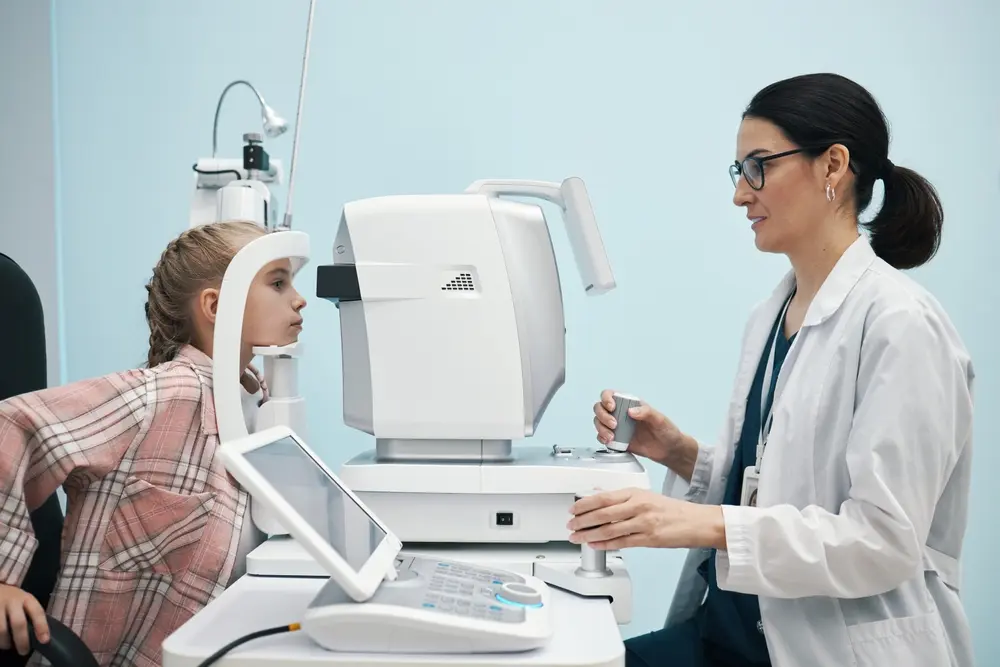
Historically, success in epilepsy trials was measured by one metric: did the seizure count go down? While that remains the gold standard, the definition of success is evolving.
Sponsors and researchers in clinical trials, including those conducted through the Science 37 Direct-to-Patient Site are increasingly measuring "Quality of Life" (QoL) endpoints. We are asking: Is the patient sleeping better? Is their behavior stabilizing? Are they walking with more confidence?
Because Science 37 brings the trial to your home, we are uniquely positioned to capture this data. Our mobile nurses can see how a patient moves in their own living room, not just in a sterile clinic hallway. This "real-world" data helps drug developers create treatments that address the whole child, not just the seizures.
Q: Is genetic testing necessary if my child already has a clinical diagnosis of Dravet?
A: Yes, genetic testing is highly recommended. Confirming the SCN1A mutation (or other associated genes) not only solidifies the diagnosis but can also guide treatment choices. Certain common epilepsy medications (sodium channel blockers) can actually worsen Dravet syndrome, so knowing the genetics is a critical safety step.
Q: Can the ketogenic diet replace medication for Dravet syndrome?
A: The ketogenic diet is a powerful tool and is often used alongside medication, but it rarely replaces it entirely. It is considered a medical therapy and should only be attempted under the strict supervision of a neurologist and a dietitian to ensure the child gets adequate nutrition while maintaining ketosis.
Q: Will my child outgrow the behavioral challenges associated with Dravet?
A: Dravet syndrome behavior tends to evolve rather than disappear. While some hyperactivity may decrease with age, other issues like executive function deficits or social difficulties may persist. Consistent behavioral therapy and a supportive educational environment are key to managing these symptoms long-term.
Q: How can I find research studies that focus on non-seizure symptoms?
A: Many modern research studies are now including secondary endpoints that look at sleep, behavior, and cognition. When evaluating clinical trials, ask the study team what "scales" or "assessments" are being used. Trials that use Quality of Life questionnaires or sleep logs are likely gathering data on these important comorbidities.
Are you caring for a loved one with Dravet Syndrome? Science 37 is currently conducting research studies that prioritize patient comfort and family convenience. By bringing the study to your home, we make participation possible for families who cannot travel.
Check our Open Studies to see if a trial is right for you.