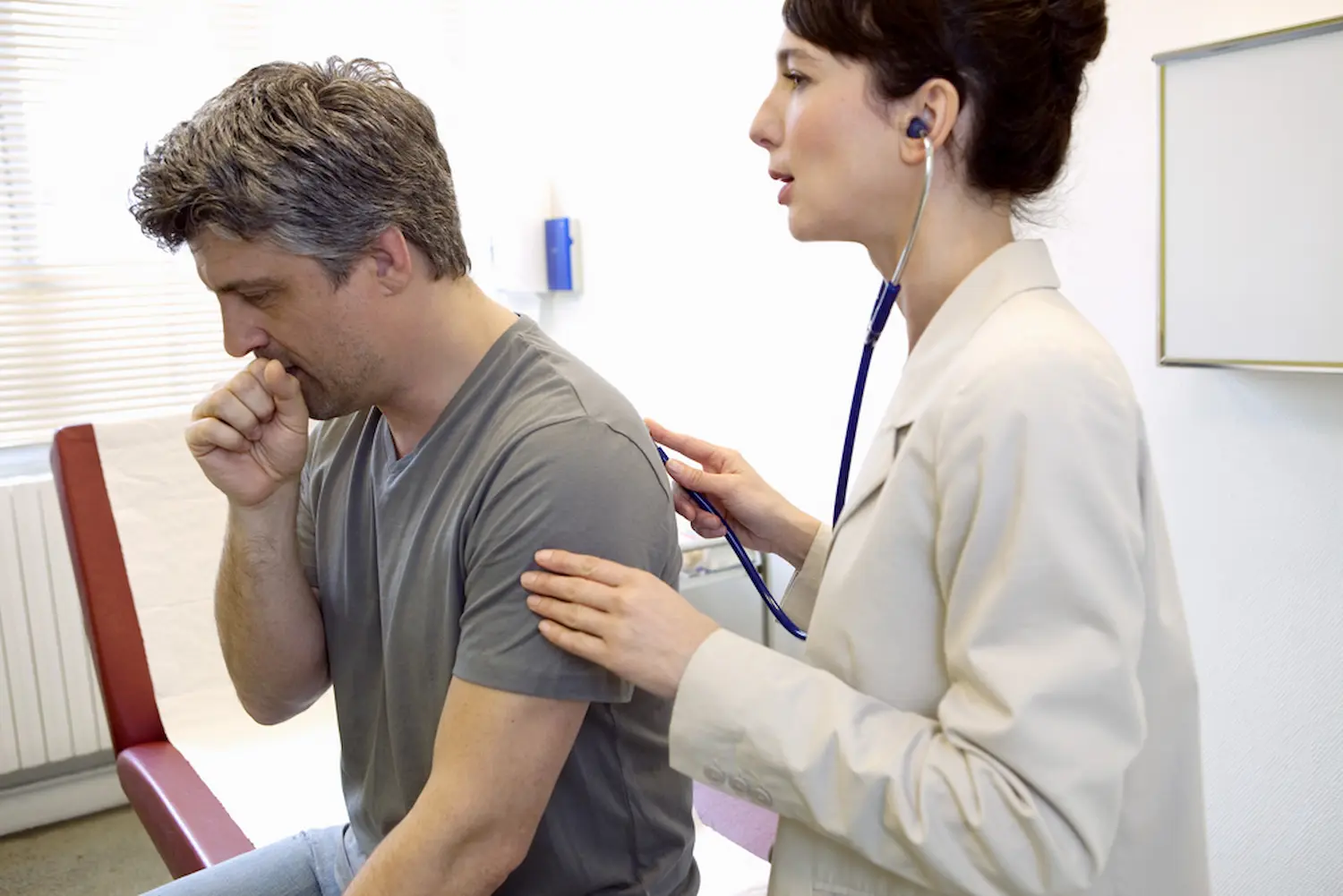

Diabetes mellitus is a chronic condition that needs daily attention, and it’s not always easy. There’s so much to juggle each day – you must check your blood sugar levels regularly, make healthy food choices, be physically active, remember your medications, and more. On top of that, you might worry about low or high blood sugar episodes, the cost of medicines, or long-term complications like heart disease.
It’s normal to feel frustrated, tired, or even burnt out by these daily demands. In fact, when all this stress builds up, it’s known as “diabetes distress,” a state where feelings of worry, anger, and burnout make it hard to keep up with diabetes care.
But the good thing is you can use many tools and strategies at home to take control of your health. Clinical trials are also evolving, with many available remotely, giving you access to promising new treatments and technologies, often from the comfort of your home. Let’s explore these options:
One of the most essential parts of managing type 2 diabetes mellitus is monitoring your blood sugar. You’ll need to check your glucose level regularly—your doctor will guide you on how often. This helps you understand how your meals, activity, stress, or medication affect your numbers.
Most people use a small, handheld device called a blood glucose meter. You prick your fingertip, place a drop of blood on a test strip, and get a reading in seconds. Many of these meters are portable and now sync with smartphone apps so you can track your results over time.
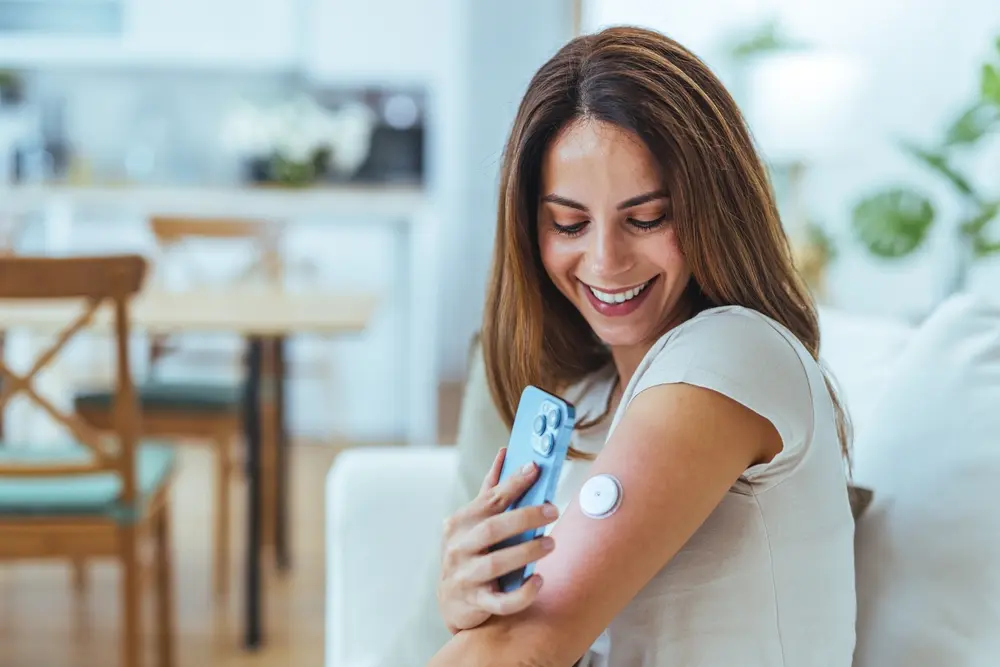
If finger pricks aren’t your thing, talk to your doctor about other options. Some monitors use less sensitive areas like your forearm. There are also continuous glucose monitors (CGMs), tiny sensors you wear on your skin that send updates to your phone or a receiver every few minutes. Wearable glucose monitors are also becoming more common in managing gestational diabetes, offering expecting mothers a convenient way to track their blood sugar without constant in-person visits.
CGMs are great for catching changes quickly. For example, they can alert you if your sugar starts dropping too low during the night or spikes after a meal. That gives you time to act before anything serious happens.
No matter which tool you choose, the goal is to keep your blood sugar in the range your doctor recommends. This helps you avoid the unpleasant symptoms of high blood sugar, like fatigue, constant thirst, or blurry vision, and also helps prevent the dangers of low blood sugar as well.
What you eat plays a huge role in how well you manage type 2 diabetes. And you don’t need a special or strict diet. Aim for balanced, real meals that nourish your body and help keep your blood sugar steady.
Focus on nutrient-rich foods: plenty of non-starchy veggies and lean proteins like chicken, fish, beans, fruits, and whole grains. Try to cut back on added sugars, processed foods, and unhealthy fats. These small changes can make a big difference in how you feel, and your body handles blood sugar.
Need an easy way to build a healthy plate? Try the “plate method.” Fill half your plate with veggies, a quarter with lean protein, and the last quarter with whole grains or healthy carbs. Keep an eye on portion sizes—even healthy foods can raise blood sugar if you overeat.
Also, simple swaps go a long way. Drink water instead of sugary drinks like soda or juice. Choose baked over fried. And try to cook more meals at home when you can.
You don’t have to get it all right at once. This is about steady, sustainable changes. If you need support, a dietitian or your health care team can help you create a meal plan that works for your culture, preferences, and lifestyle.
Equally important is physical activity. Moving your body helps insulin work better and naturally lowers blood sugar. Aim for at least 150 minutes per week of moderate exercise (such as brisk walking, cycling, or dancing), which is about 30 minutes a day on most days. If you’re not very active now, start small—even a 10-minute walk after meals can help.
You can also break up sitting time by standing, stretching, or walking around for a few minutes each hour. In addition, include some strength or resistance exercises a couple of days a week (like light weight lifting or yoga), as building muscle can improve your blood sugar control.
Always check with your healthcare provider before starting a new exercise program, especially if you have other conditions. They can advise you on any precautions (for example, how to avoid low blood sugar during exercise if you’re on insulin). Make sure to stay hydrated and listen to your body. Over time, you’ll likely notice improvements – more energy, better mood, and often lower blood sugar and blood pressure readings.

A healthy lifestyle helps you maintain a healthy weight, and that’s a key part of managing type 2 diabetes.
Even losing a small amount of weight, if you're above your ideal range, can improve blood sugar levels and lower insulin resistance. It also helps manage high blood pressure and cholesterol, protecting your heart. That’s especially important since people with diabetes have a higher risk of heart disease.
If you have other risk factors like a family history of diabetes, high blood pressure, or past heart issues, taking action now with your diet and exercise can help you prevent or delay future complications.
Your medication plays a big role in keeping your blood sugar levels steady. Missing even one dose can throw things off and leave you feeling unwell. But since it can be challenging to keep up, here are ways to make this part of your routine smoother.

A quick phone alarm can go a long way. Some people use pillboxes with built-in timers, and others use a medication app that sends daily alerts. Pick whatever feels easiest to manage.
Try linking your medicine to something you already do—like brushing your teeth in the morning or making your evening tea. It's easier to remember when it becomes part of your normal routine.
Store your medications in one spot so you always know where to find them. Label the bottles clearly, and write down what each one is for. An updated list of your prescriptions also helps during appointments with your healthcare team.
There’s a range of digital tools that you can use to manage type 2 diabetes from home. There are smart glucose monitors which sync with apps on your phone. These track blood glucose levels, send reminders and even share your readings with your healthcare team. Continuous glucose monitors (CGMs) take it further, offering real-time updates through wearable diabetes monitoring devices.
You can also use health apps to log your meals, physical activity, medications, etc. Some apps track carbohydrates, remind you to check your blood sugar levels, or alert you when to refill your prescription. If you use a smartwatch or fitness tracker, it can help motivate movement and monitor how activity affects your blood sugar.
And then there's telehealth diabetes management. You can now speak with your doctor, diabetes educator, or dietitian from your couch. Whether you're adjusting your plan or need advice between visits, telehealth makes it easy to stay on track. Many clinics offer virtual check-ins and allow remote monitoring—so your provider can monitor your blood pressure, body weight, or type 2 diabetes symptoms and step in quickly if needed.
If you're busy, live far from a clinic, or just prefer the convenience, telemedicine can be a game-changer for you and your family. Ask your clinic what services they offer. With a smartphone, tablet, or computer, you’ll have access to care without leaving home.
Diabetes treatments have come a long way—and clinical trials are helping push things even further. If you’ve ever wished you could try a new kind of treatment or be part of something that could improve care for others with diabetes, clinical trials might be worth exploring. And you don’t have to travel far or rearrange your life to participate.
Thanks to decentralized clinical trials, you can access new treatments and tools from the comfort of your home. Companies like Science 37 are making this possible by bringing the study to you. Medications can be delivered right to your door. A nurse may stop by for checkups. You can log symptoms or side effects through a secure app, all without stepping foot into a research site.
This is a huge step forward, especially for people from African American, Asian American, or Pacific Islander communities, who often face higher rates of type 2 diabetes and are typically underrepresented in research. When participants in a clinical research trial reflect all the people affected by diabetes, the results become more valuable and accurate for everyone.
If you’re curious about cutting-edge treatments, talk to your doctor or visit platforms like Science 37 to learn more. These trials are designed to fit into your daily life, not disrupt it. And who knows? You might help shape the future of diabetes care while managing your health from home.