
When a child is diagnosed with Lennox-Gastaut Syndrome (LGS), the focus is almost exclusively on the "now." Parents are consumed by managing daily seizures, navigating developmental delays, and fighting for the best pediatric care.
But children with LGS do grow up.
Thanks to advances in medical care, the Lennox-Gastaut life expectancy has improved, meaning more patients are living well into adulthood. However, reaching the age of 18 brings a new, often daunting challenge: the "transition cliff." This is the moment when a patient ages out of the supportive, wraparound world of pediatric neurology and enters the often fragmented system of adult epilepsy care.
For caregivers, this transition requires early planning and a shift in strategy. Here is how to navigate the complex journey of LGS in adulthood.
Pediatric hospitals are designed to be family-centered. Your child’s neurologist likely knows your family by name, and social workers are often on hand to help with school and therapy.
Adult medicine is different. It focuses on the individual patient, often assuming a level of independence that many LGS patients—who may have significant cognitive impairment—do not possess. When a patient turns 18 years old, privacy laws (like HIPAA) can suddenly shut parents out of medical conversations unless legal structures are in place.
Furthermore, finding an adult neurologist who specializes in complex, rare epilepsy syndromes can be difficult. Many adult providers are accustomed to treating general epilepsy and may have less experience with the specific drug-resistant seizure types and comorbidities associated with LGS.
The most critical step in preparing for LGS in adults happens in the courtroom, not the exam room. Before your child turns 18, it is essential to explore guardianship for special needs.
Without legal guardianship or power of attorney, you may lose the legal right to make medical decisions, access health records, or even manage insurance for your child. The process can take months, so experts recommend starting this process around age 16 or 17.
In pediatrics, your team likely had a comprehensive view of your child’s history. In the adult system, you are often the keeper of that history.
When transitioning to adult neurology, ensure you have a "transportable" medical package ready. This should include:
Having this data organized prevents the new adult provider from "starting from scratch" or ordering unnecessary repeat tests that can be traumatic for the patient.
As patients with LGS age, they get bigger and heavier. The physical logistics of care become harder. Lifting a 6-year-old into a car seat for a hospital visit is very different from transporting a 25-year-old adult who may have mobility issues or use a wheelchair.
This physical burden often leads to isolation. Families may stop seeking aggressive treatment or second opinions simply because the travel required to see a specialist is too physically demanding or dangerous. This can result in a decline in quality of life and missed opportunities for better seizure control.
For many years, research was heavily skewed toward children. However, science is catching up. There is a growing recognition of the need for clinical trials specifically for adults with LGS.
But how does an adult with mobility challenges and complex medical needs participate in a trial that requires frequent visits?

This is where Science 37 is changing the landscape. Through our Direct-to-Patient Site model, we are bringing clinical practice and research directly to the home.
By removing the travel barrier, we ensure that adults with LGS are not left behind in the search for better treatments.
Lennox-Gastaut Syndrome does not end at childhood, and neither should the support. While the transition to adult care is a major hurdle, it is navigable with preparation, legal protection, and the right partners.
Whether it is finding a compassionate adult epileptologist or participating in decentralized research, the goal remains the same: helping every person with LGS live their fullest, safest life at every age.
Are you caring for an adult with LGS? You may be eligible to participate in cutting-edge clinical research without leaving your home. Science 37 makes it possible to access new potential therapies without the burden of travel.
Q: What is the life expectancy for someone with Lennox-Gastaut Syndrome?
A: Historically, the prognosis for LGS was considered poor, but medical care has improved significantly. Today, many individuals with LGS live well into their 50s, 60s, and beyond. However, adults with LGS do face a higher mortality risk than the general population, largely due to complications like Sudden Unexpected Death in Epilepsy (SUDEP), accidents from falls (drop attacks), or aspiration pneumonia. Regular monitoring by an adult neurologist is critical for managing these risks.
Q: Do seizure types change as children with LGS become adults?
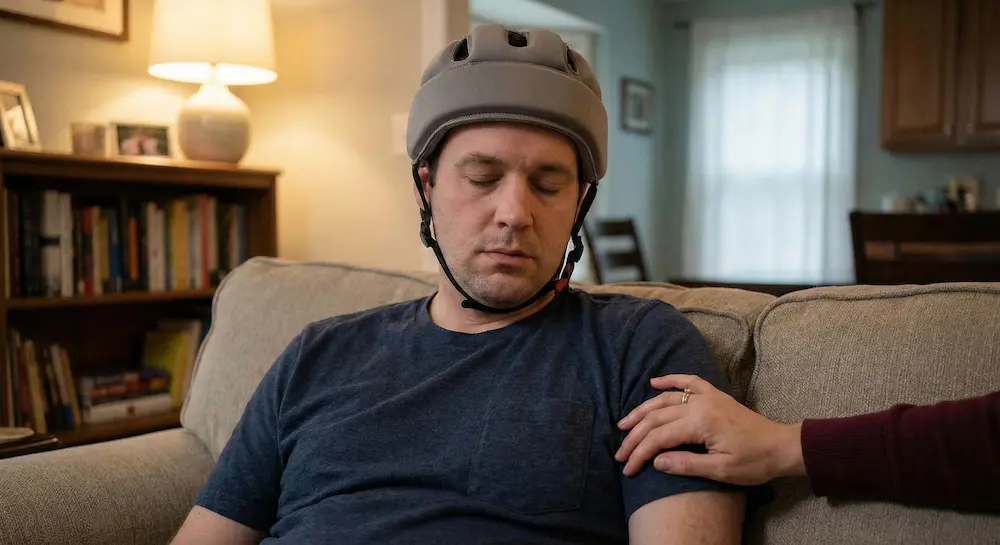
A: Yes, the "seizure profile" often evolves. While the types of seizures may change—for example, atypical absence seizures may become less frequent—tonic seizures (stiffening, especially during sleep) and atonic seizures (drop attacks) often persist into adulthood. Because drop attacks continue to pose a high risk for injury, fall safety measures like helmets or wheelchair use often remain necessary.
Q: When should I start the legal guardianship process?
A: You should begin preparing for guardianship before your child turns 18. In most states, once a child turns 18, they are legally considered an adult, and you may lose access to their medical records and the ability to make healthcare decisions for them due to privacy laws (HIPAA). Experts recommend consulting with a special needs attorney around age 16 or 17 to ensure guardianship or power of attorney is in place by their 18th birthday.
Q: Can adults with LGS live independently?
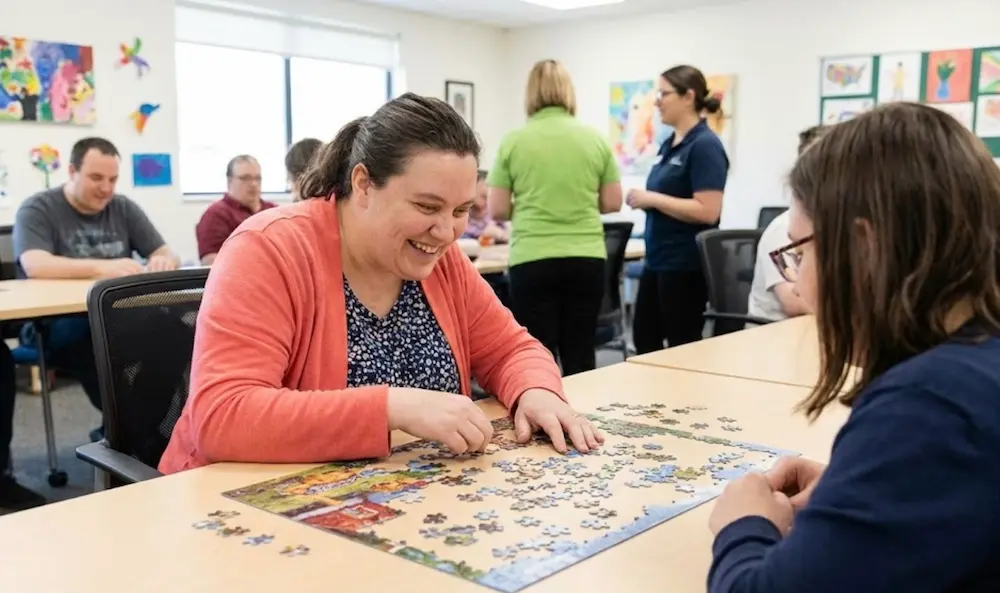
A: Most adults with LGS will require some level of lifelong care due to cognitive impairment and ongoing seizures. While independent living is rare, many adults thrive in supported living environments, such as group homes or community-based residential facilities, where they can socialize and receive assistance with daily tasks.
Q: Is it harder to find a doctor for LGS in the adult healthcare system?
A: It can be. Pediatric neurologists often have more specific training in rare epilepsy syndromes than general adult neurologists. When transitioning, look for an epileptologist (a neurologist who specializes in epilepsy) rather than a general practitioner. Participating in decentralized clinical trials (like those at Science 37) can also help bridge this gap by providing access to specialized oversight without requiring travel to distant specialty centers.