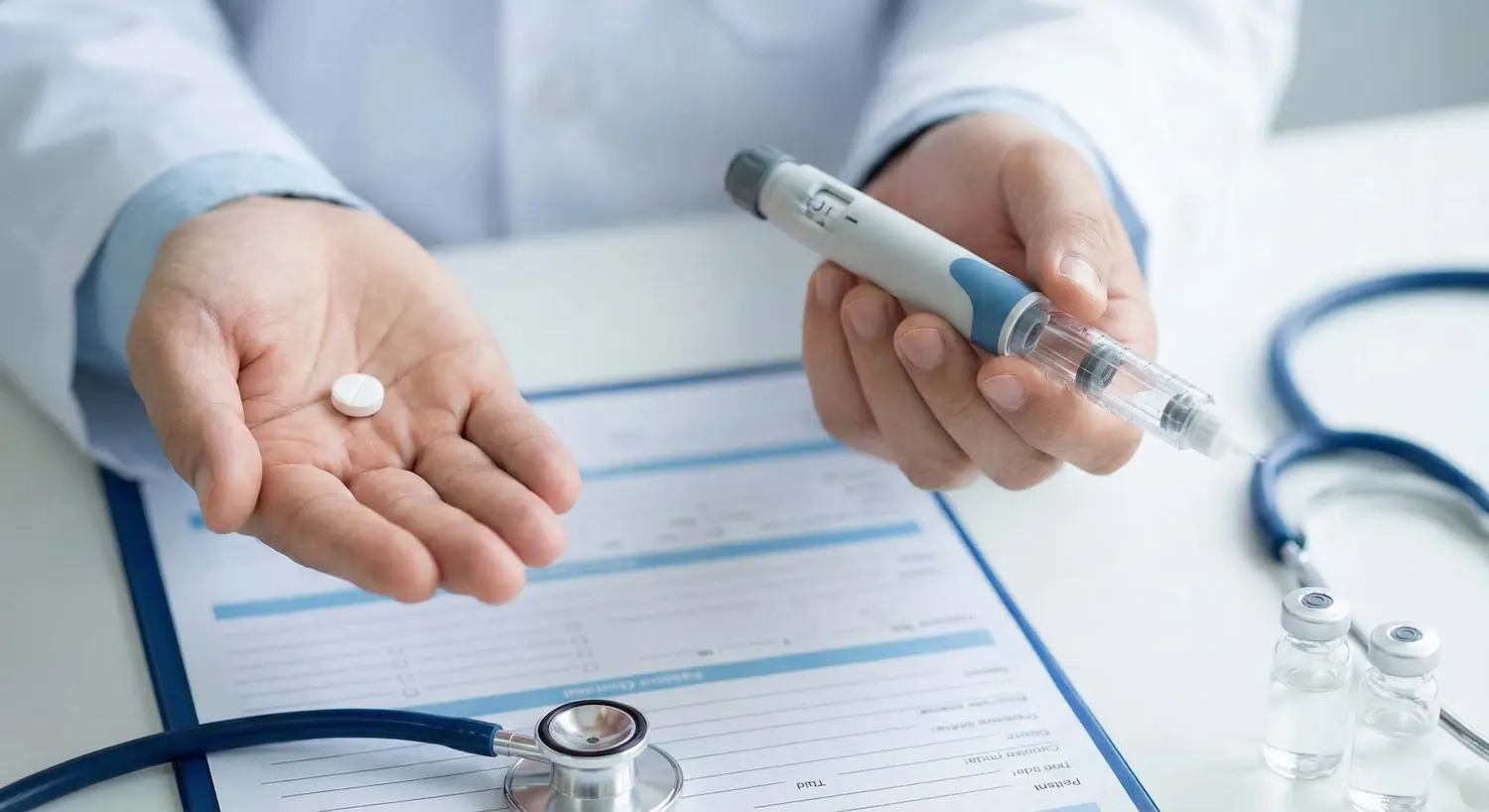

Pills vs. Pens: The Changing Landscape of GLP-1 Treatments

If you have followed health news recently, you have undoubtedly heard about the "weight loss revolution" driven by medications like Ozempic, Wegovy, and Zepbound. These drugs, known as GLP-1 receptor agonists, have changed the game for type 2 diabetes management and long term weight management. However, for many patients, there is a significant hurdle: the […]
February 24, 2026
Dr. Debra Weinstein
Dr. Debra Weinstein
Dr. Weinstein is a leading expert in decentralized clinical trials at Science 37, where she has been instrumental in advancing remote research opportunities since 2017. With active medical licensure in 46 states, she oversees a wide range of studies across diverse therapeutic areas, ensuring broader patient access to cutting-edge treatments.

A board-certified internist, Dr. Weinstein has over two decades of experience in clinical research. She has served as a principal investigator on more than 200 trials and has founded multiple research organizations specializing in internal medicine, rheumatology, orthopedics, and pain management. Recognized for her contributions to medical research, she has been named "Woman of the Year" by the National Association of Professional Women.

If you have followed health news recently, you have undoubtedly heard about the "weight loss revolution" driven by medications like Ozempic, Wegovy, and Zepbound. These drugs, known as GLP-1 receptor agonists, have changed the game for type 2 diabetes management and long term weight management.

However, for many patients, there is a significant hurdle: the needle.

While weekly injections have become the standard, "needle fatigue" is real. The next frontier in metabolic health is moving away from the pen and toward the pill bottle. But can a daily tablet really compete with the potent effects of a weekly shot?

Here is a breakdown of oral GLP-1 vs injectable treatments, and what you need to know about the race to create a needle-free future.

The Science: Same Hormone, Different Delivery

Whether you take it as a shot or a pill, the active ingredient works the same way. GLP-1 (glucagon-like peptide-1) is a hormone that signals your brain that you are full, slows down gastric emptying, and helps regulate blood sugar.

The difference lies in how it gets into your system.
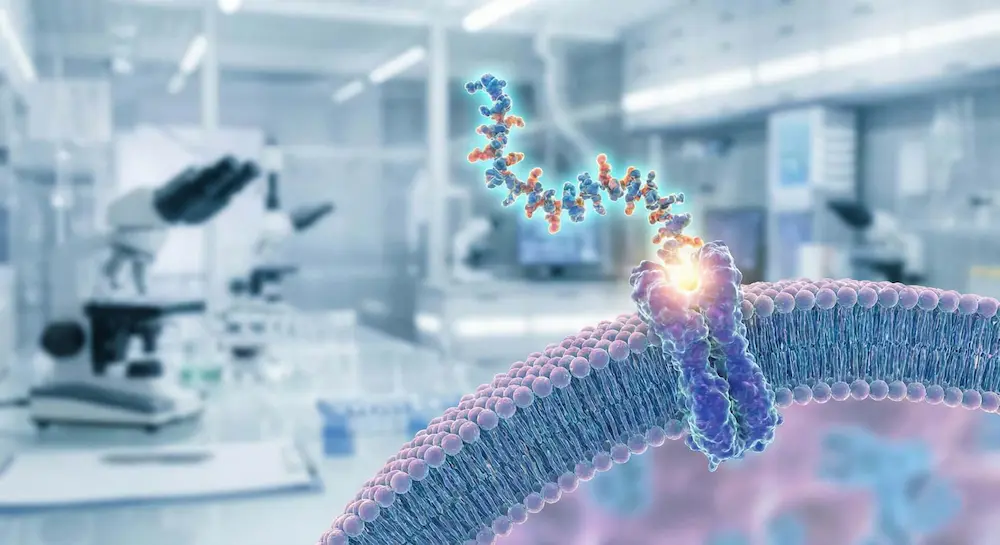
  • Injectables (Pens): Deliver the medication directly into the fatty tissue, bypassing the stomach completely. This allows for high absorption (bioavailability).
  • Orals (Pills): Must survive the harsh, acidic environment of the stomach. This is the biggest scientific challenge. Peptides are fragile; without special technology, your stomach would digest the medicine like food before it ever entered your bloodstream.

Comparing Efficacy: Rybelsus vs. Ozempic

3D medical illustration of a molecule binding to a cell receptor against a blurred laboratory background.

Currently, the only FDA-approved oral GLP-1 for type 2 diabetes is Rybelsus (oral semaglutide).

  • The Shot (Ozempic/Wegovy): Proven to lead to significant weight loss (15% or more in some trials) and robust blood sugar control.
  • The Pill (Rybelsus): In its current approved doses, it is highly effective for blood sugar but generally produces less weight loss than the high-dose injectables.

However, this gap is closing. New clinical trials are currently testing much higher doses of oral semaglutide efficacy specifically for weight loss, as well as new molecules like oral glp-1 tirzepatide. Early data suggests these investigational pills could rival the results of the shots, offering patients the best of both worlds.

The Convenience Factor: Daily vs. Weekly

When choosing between weight loss pills vs shots, lifestyle plays a huge role.

The Case for the Shot:

  • Frequency: Once a week. You treat it and forget it for six days.
  • Flexibility: You can take it at any time of day, with or without food.

The Case for the Pill:

  • Frequency: Daily.
  • Strict Adherence: Because absorption is so difficult, current oral GLP-1s typically must be taken on an empty stomach with a small sip of water, at least 30 minutes before eating, drinking, or taking other meds. For some, the "morning fast" ritual is a small price to pay to avoid injections. For others, the weekly shot is actually more convenient than a strict daily routine.

Side Effects: Is the Stomach Discomfort the Same?

The common side effects of GLP-1s are well-known: nausea, vomiting, diarrhea, and constipation.

  • GLP-1 side effects tend to be similar across both pills and shots because they are caused by the hormone's effect on the gut and brain, not just the delivery method.
  • However, because oral versions are processed through the stomach, some patients report different intensities of GI distress.
  • Gradual titration (starting at a low dose and increasing slowly) is the key to managing these symptoms for both forms.

Beyond Weight: Sleep Apnea and Heart Health

The benefits of these medications extend beyond the scale. Losing weight can significantly improve conditions like sleep apnea and hypertension. As we move toward FDA approval for new oral formulations, researchers are also studying how these pills impact cardiovascular outcomes and sleep quality, ensuring that the "pill" version offers the same holistic health protection as the "pen."

Three adults laughing while walking together in a park holding water bottles.

Frequently Asked Questions (FAQ)

Q: Are oral GLP-1s as effective as injectables for weight loss? 

A: Currently, approved oral doses (like Rybelsus) are primarily indicated for diabetes and typically result in less weight loss than high-dose injectables like Wegovy or Zepbound. However, investigational clinical trials are testing higher-dose oral versions that show promise in achieving comparable weight loss results.

Q: Can I switch from a weekly injection to a daily pill? 

A: Switching is often possible, but it requires a strategic plan from your doctor to match the dosing equivalents and manage blood sugar levels during the transition. You should never stop one and start the other without medical guidance.

Q: Why do I have to take the pill on an empty stomach? 

A: This is due to "bioavailability." Food and drink can interfere with the absorption technology (often a molecule called SNAC) that helps the drug pass through the stomach wall. Taking it with food would likely render the medication ineffective.

Q: Do these medications replace diet and exercise? 

A: No. Whether you choose a pill or a pen, these drugs are designed to be used in conjunction with physical activity and a healthy diet. They are tools to help you lose weight and maintain it, but they work best when paired with lifestyle changes.


Interested in the future of weight management? Science 37 is currently conducting clinical trials for new, investigational oral GLP-1 options. If you are looking for a needle-free alternative, help us advance the science from the comfort of your home. Check Your Eligibility Today


hello world!

Read More

A young girl smiling brightly at her caregiver in a comfortable home setting, representing the improved quality of life and comfort that at-home LGS clinical trials aim to support.
Beyond the Seizures: Managing the Cognitive and Behavioral Impact of Lennox-Gastaut Syndrome
For many families living with Lennox-Gastaut Syndrome (LGS), the daily focus is often—understandably—on seizure control. When you are managing multiple types of seizures, including dangerous drop seizures that can lead to injury, the physical safety of your loved one is the immediate priority. However, LGS is a multifaceted condition that extends far beyond the electrical […]
Read More
A mother sitting on a couch gently embracing her infant, reflecting the dedicated caregiver support required for families managing Dravet syndrome.
The Evolution of Dravet Syndrome Care: New Frontiers in Rare Epilepsy Research
For families living with Dravet syndrome, the journey often begins with a terrifying milestone: a prolonged, fever-related seizure in the first year of life. What starts as a frightening "first" quickly evolves into a complex, lifelong management of treatment resistant epilepsy. However, we are entering a transformative era in rare epilepsy research. We are moving […]
Read More
Doctor holding a white pill and an injection pen to compare oral versus injectable medication options.
Pills vs. Pens: The Changing Landscape of GLP-1 Treatments
If you have followed health news recently, you have undoubtedly heard about the "weight loss revolution" driven by medications like Ozempic, Wegovy, and Zepbound. These drugs, known as GLP-1 receptor agonists, have changed the game for type 2 diabetes management and long term weight management. However, for many patients, there is a significant hurdle: the […]
Read More
1 2 3 30
© 2026 Science 37 | All Rights Reserved