

November marks several important health observances in the United States. The Department of Health and Human Services and related health organizations use this month to raise awareness about chronic health conditions and support public education. The November Health awareness calendar marks:
These observances highlight a specific health challenge and they each encourage us to focus on prevention, early detection, and treatment.
Diabetes is one of the most common chronic conditions in the United States, affecting about 38.4 million people, according to the Centers for Disease Control and Prevention (CDC). It happens when your body can’t properly regulate blood sugar, either because it doesn’t make enough insulin or can’t use it effectively.
Over time, high blood sugar can damage blood vessels, nerves, eyes, and kidneys. You might not notice symptoms initially, but subtle warning signs include increased thirst, fatigue, and frequent urination.
What’s essential is understanding risk factors. A family history of diabetes, being overweight, having high blood pressure, or leading a sedentary lifestyle all increase your chances. But prevention is possible. Even small changes like walking daily, choosing whole foods, and keeping routine checkups make a difference.
If you already live with diabetes, talk to your doctor about your long-term action plan. Managing blood sugar is about learning what your body needs. Regular monitoring, balanced meals, and staying active can help you feel stronger and more in control.
Chronic Obstructive Pulmonary Disease (COPD) is a long-term lung disease that makes it hard to breathe. It includes chronic bronchitis and emphysema, which damage your airways over time.
If you’ve noticed shortness of breath, a persistent cough, or frequent respiratory infections, it’s worth bringing up with your doctor. These are common COPD symptoms, but they can easily be mistaken for aging or allergies.
The leading cause of COPD is smoking, though exposure to air pollution and workplace dust also plays a role. In the US, nearly 16 million adults have been diagnosed, and many more likely go undiagnosed.
COPD is progressive, but with treatment and early action, you can slow its progression. Medications, inhalers, and pulmonary rehab programs can help you breathe better and stay active. You also want to avoid secondhand smoke (or quit smoking if you haven’t already).
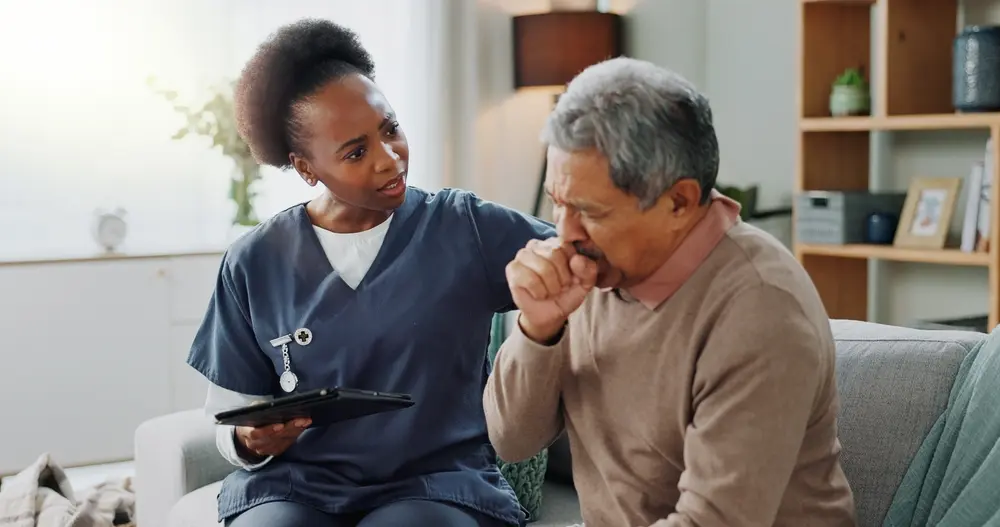
Lung cancer is one of the most serious health threats we face. It’s the second most common cancer and the leading cause of cancer death in the United States. According to the American Cancer Society, we have about 226,650 new cases and 124,730 deaths from lung cancer in 2025.
Common signs include a chronic cough, chest pain, unexplained weight loss, or shortness of breath. However, in many cases, early lung cancer causes no symptoms at all. That’s why lung cancer screening is so important.
If you’re between 50 and 80 years old, have a history of heavy smoking, or have recently quit, talk to your doctor about a low-dose CT scan. It’s the most effective tool for catching lung cancer early, when it’s most treatable.
The main risk factors include smoking, exposure to radon gas, air pollution, and a family history of cancer. Even if you’ve quit smoking, your risk remains higher for several years, which makes continued screening critical.
Today, treatment options are evolving quickly – from surgery and radiation to targeted therapy that zeroes in on cancer cells while sparing healthy ones. Many cancer centers now offer personalized treatment plans that extend survival and improve comfort. Lung cancer prevention research is also ongoing, aiming to detect the disease earlier and reduce risks before it develops.

Epilepsy is a neurological disorder that affects about 3 billion people worldwide. It causes recurrent seizures or sudden bursts of electrical activity in the brain that can look very different from person to person.
For some, an epileptic seizure may last a few seconds and cause a blank stare. For others, it may lead to convulsions or temporary loss of awareness. While medication controls seizures in many people, about one-third still struggle with breakthrough episodes.
If you or someone you love lives with epilepsy, knowing epilepsy and seizure first aid is essential.
Here’s what to do:
The Epilepsy Foundation offers excellent resources to help educate family members and caregivers. Raising awareness helps reduce stigma and ensures more people understand what epilepsy truly is and isn’t.
While epilepsy is a long-term condition, modern treatments, including medication, diet therapy, and nerve stimulation, are improving quality of life. However, awareness still matters most, especially in helping people recognize seizures and respond safely.
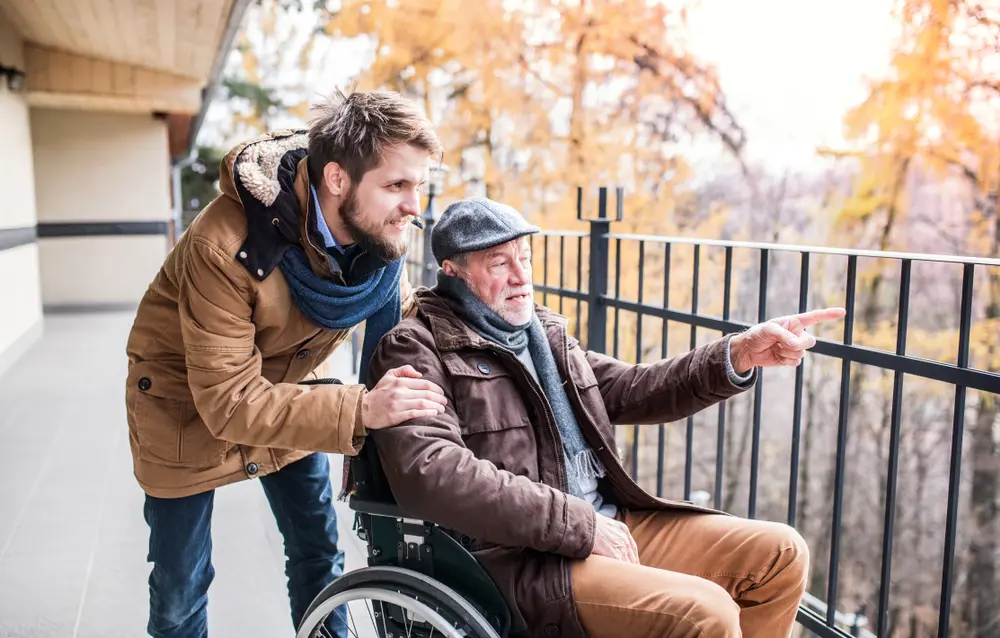
Behind every patient is often a caregiver. Someone who sacrifices time, energy, and sleep to ensure their loved one is okay. National Family Caregivers Month is dedicated to them.
In the United States, over 53 million people provide unpaid care to family or friends with chronic illnesses. They coordinate appointments, manage medications, and offer emotional support, all while balancing work and personal life. It’s one of the most selfless acts of love there is.
But caregiving can also take a toll. Many caregivers experience exhaustion, stress, and feelings of isolation. This month, the goal is to raise awareness and encourage communities to provide caregiver support.
If you’re a caregiver, remember that your well-being matters, too. Here are small but powerful steps that can help:
Awareness helps you recognize symptoms early, understand your risk factors, and seek the care you deserve. But awareness alone isn’t enough. Real change happens when we take action – when we get screened, make healthy choices, support one another, and contribute to the science that moves medicine forward.
For chronic conditions like diabetes, COPD, lung cancer, and epilepsy, ongoing research is what leads to better treatments and prevention strategies. That’s where organizations like Science 37 come in.
Science 37 can connect you to at-home clinical trials, allowing you to participate in medical research without the stress of frequent travel or hospital visits. Our decentralized clinical trials for chronic conditions make it easier for patients and family members to be part of the discovery process, right from the comfort of home.
If you or someone you love is living with these conditions, consider exploring current studies through Science 37’s study page. Your participation could help shape the future of treatment and bring hope to millions facing similar challenges.