

Living with Lennox-Gastaut Syndrome (LGS): Understanding the Challenges and Finding Hope

Epilepsy is never simple, but Lennox-Gastaut Syndrome (LGS) represents one of the most complex and difficult mountains to climb in the landscape of neurological disorders. Emerging typically in early childhood (between ages 3 and 5), LGS is a rare and severe childhood epilepsy characterized by multiple types of seizures and cognitive challenges. Unlike some pediatric […]
January 19, 2026
Dr. Debra Weinstein
Dr. Debra Weinstein
Dr. Weinstein is a leading expert in decentralized clinical trials at Science 37, where she has been instrumental in advancing remote research opportunities since 2017. With active medical licensure in 46 states, she oversees a wide range of studies across diverse therapeutic areas, ensuring broader patient access to cutting-edge treatments.

A board-certified internist, Dr. Weinstein has over two decades of experience in clinical research. She has served as a principal investigator on more than 200 trials and has founded multiple research organizations specializing in internal medicine, rheumatology, orthopedics, and pain management. Recognized for her contributions to medical research, she has been named "Woman of the Year" by the National Association of Professional Women.

Epilepsy is never simple, but Lennox-Gastaut Syndrome (LGS) represents one of the most complex and difficult mountains to climb in the landscape of neurological disorders.

Emerging typically in early childhood (between ages 3 and 5), LGS is a rare and severe childhood epilepsy characterized by multiple types of seizures and cognitive challenges. Unlike some pediatric syndromes that children "outgrow," the journey of LGS often persists well into adulthood, requiring a lifetime of care, advocacy, and adaptation.

For families, the diagnosis brings a heavy realization: this is likely drug-resistant epilepsy. But while the diagnosis is tough, the community is tougher. By understanding the unique seizure landscape, prioritizing safety, and engaging with new research, families can navigate the transition from diagnosis to daily management and eventual transition to adult care.

The Reality of "Drop Attacks" and Seizure Types

LGS is defined by its volatility. Children and adults with LGS don’t just experience one type of seizure; they experience a mix, often on a daily basis.

The most distinguishing (and dangerous) feature of LGS is the presence of atonic seizures, commonly known as "drop attacks." During these episodes, the body suddenly loses all muscle tone. If the person is standing, they collapse instantly, leading to a high risk of head injury or broken bones.

Other common types include:

  • Tonic Seizures: The body suddenly stiffens. These often happen during sleep.
  • Atypical Absence Seizures: A staring spell where the person is unresponsive.
  • Myoclonic Seizures: Brief, shock-like jerks of a muscle or group of muscles.

Because these seizures often occur in seizure clusters, the physical toll on the patient is immense.

The Challenge of Treatment Resistance

One of the hardest conversations a doctor has with an LGS family is explaining that standard anti seizure medications may not work. LGS is notoriously resistant to treatment.

While magnetic resonance imaging (MRI) is used to rule out brain lesions or tumors, it often comes back normal in LGS patients, meaning there is no single "spot" in the brain to operate on. However, for some, epilepsy surgery (like corpus callosotomy) can help reduce drop attacks.
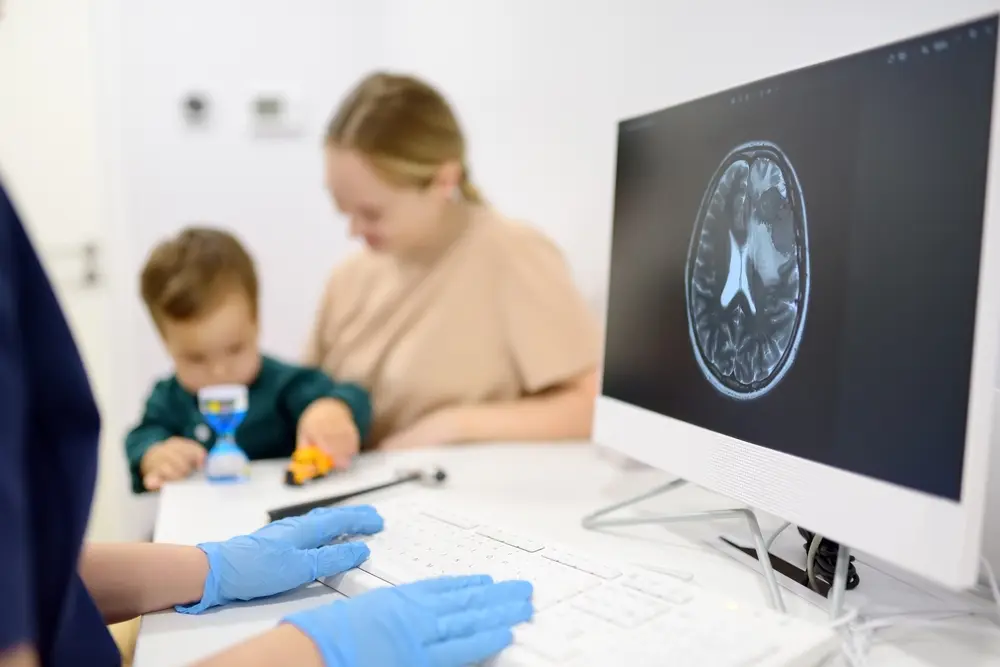
Doctor checking brain scan of child

When medications fail, families often turn to palliative treatments to improve quality of life:

  • Vagus Nerve Stimulation (VNS): VNS therapy involves a device implanted under the skin that sends electrical impulses to the brain to inhibit seizures.
  • Dietary Therapies: The Ketogenic diet.
  • New Pharmacotherapy: Research is constant, looking for new drug classes that can bypass the resistance mechanisms in LGS brains.

This difficulty in treatment is exactly why clinical trials for LGS are so critical. We are still searching for the key that unlocks better control for this specific community.

Safety First: Do’s and Don’ts at Home

When living with drop attacks and cognitive impairment, safety becomes a lifestyle. Here is a practical guide for setting up a safe environment.

The Do’s

  • Do use protective gear: A well-fitted medical helmet is non-negotiable for those with frequent drop attacks to prevent traumatic brain injury.
  • Do "seizure-proof" the home: Pad sharp corners on furniture and use thick carpeting or foam mats in play areas and bedrooms.
  • Do use technology: Wearable seizure monitors and bed alarms can alert caregivers to night-time seizures (tonic seizures) that might otherwise go unnoticed.
  • Do have a rescue plan: Always have rescue medications on hand for seizure clusters.

The Don’ts

  • Don’t rely on "outgrowing it": LGS persists. Plan for the long term, including financial and legal planning for adulthood.
  • Don’t ignore shifts in behavior: In patients with intellectual disability, behavior is communication. Increased aggression or withdrawal can signal a change in seizure activity or medication side effects.
  • Don’t swim or bathe alone: Water safety is critical. Showers are generally safer than baths, and supervision is always required.

The Role of Decentralized Research

For a person with LGS, routine is everything. Stress, lack of sleep, and changes in environment are major triggers for seizures. This presents a catch-22: LGS treatment options need to improve through research, but participating in traditional clinical trials (which require travel and long hospital visits) can trigger the very seizures families are trying to stop.

This is why decentralized clinical trials are a beacon of hope for the LGS community.

By bringing the trial to the patient, using mobile nursing units, telehealth, and home delivery of study medications, we remove the disruption.

  • Less Travel: No long car rides or flights that disrupt sleep schedules.
  • Home Comfort: Assessments happen in the patient’s safe, padded, familiar environment.

Real-World Data: Researchers get to see how the treatment works in real life, not just in a sterile clinic.
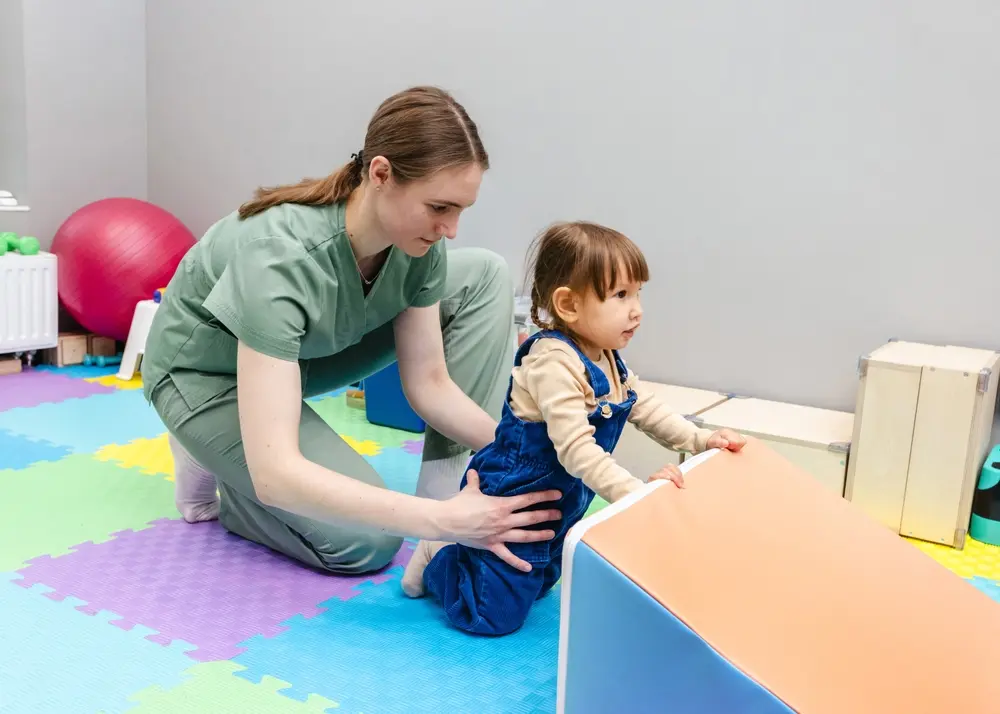
female therapist playing with child

Finding Hope in Community

Living with LGS is a marathon, not a sprint. While the family history of epilepsy is rare in LGS (it usually appears sporadically), the family future is one of resilience.

Connecting with family resources for epilepsy, such as the LGS Foundation, reminds you that you aren't navigating this alone. And by exploring research opportunities, you are actively helping to rewrite the future of this condition.

Frequently Asked Questions About LGS

1. Does LGS affect intelligence? 

Yes, most individuals with Lennox-Gastaut Syndrome experience some degree of intellectual disability or cognitive impairment. This is often due to the combined effect of the underlying brain cause and the frequent, uncontrolled electrical activity during critical periods of development.

2. Is LGS genetic? 

In many cases, the cause is unknown (idiopathic). However, it can result from brain malformations, lack of oxygen at birth, or severe brain infections. A family history of epilepsy is actually less common in LGS than in other epilepsy syndromes, though genetic research is ongoing.

3. What is the difference between a drop attack and a faint? 

Atonic seizures (drop attacks) are sudden and forceful. The person doesn't slowly "swoon" like in a faint; they are thrown to the ground as if their strings were cut. Recovery is usually immediate, whereas someone who faints may be groggy or confused for a while.

4. How do I transition my child to adult care? 

Transition to adult care is a major hurdle in LGS. It requires early planning (starting around age 14) to transfer medical records, establish legal guardianship if necessary, and find an adult neurologist familiar with severe childhood epilepsy syndromes that persist into adulthood.


Discover active clinical trials for Lennox-Gastaut Syndrome.

hello world!

Read More

a mother and her child playing on bed
Living with Lennox-Gastaut Syndrome (LGS): Understanding the Challenges and Finding Hope
Epilepsy is never simple, but Lennox-Gastaut Syndrome (LGS) represents one of the most complex and difficult mountains to climb in the landscape of neurological disorders. Emerging typically in early childhood (between ages 3 and 5), LGS is a rare and severe childhood epilepsy characterized by multiple types of seizures and cognitive challenges. Unlike some pediatric […]
Read More
A father comforting his young child with a hug while a mother smiles in the background.
Navigating Dravet Syndrome: A Guide for Caregivers on Rare Epilepsy
For most people, epilepsy is a condition characterized by occasional seizures that, with the right medication, can often be managed. But for the parents of a child with Dravet Syndrome, the reality is vastly different. Dravet Syndrome is not just "epilepsy." It is a rare, catastrophic form of genetic epilepsy that begins in infancy. It […]
Read More
Smiling man using outdoor gym equipment to manage obesity
Beyond Willpower: The Science of Obesity & New Paths to Management
January is here, and with it comes the annual tidal wave of "New Year, New Me" messaging. Gym memberships skyrocket, grocery stores push kale smoothies to the front of the aisle, and millions of people set out with the best intentions to overhaul their health. But for the millions of Americans living with obesity, this […]
Read More
1 2 3 28
© 2025 Science 37 | All Rights Reserved