
Every fall, families across the country prepare for the back-to-school season with new supplies, fresh routines, and a sense of excitement. But along with math homework and after-school activities, something else shows up in classrooms: germs.
Research shows that schools in more than 90% of US counties exhibit an infection risk higher than 1%. This means the start of the school year creates the perfect storm for contagious illnesses to spread quickly among school children. Parents and caregivers often find themselves juggling not only academics but also frequent trips to the doctor for coughs, runny noses, or worse.
The good news? While some illness is almost inevitable, families can take practical steps to reduce the risk, support their children’s immune system, and know when to call a primary care physician. With ongoing research, including decentralized clinical trials, the future holds even more hope for keeping families healthy during the school year.
Parents often sigh, “My child gets sick every two weeks once school starts.” It may feel exaggerated, but there’s some truth behind it. The classroom has long been a hub for sharing germs.
School children spend hours each day in close quarters, breathing the same air, touching shared desks and supplies, and sitting just a sneeze away from their classmates. When one child has a cough or sneeze, droplets can easily spread to others. Add in lunch tables, recess, sports, and after-school activities, and the opportunities for infection multiply.
While frustrating, this exposure is also part of how children build their immune system. Each encounter with a virus or bacteria helps the body learn how to respond in the future. That said, no parent wants their child sidelined by illness week after week. Knowing which infections are most common and how to prevent them can make the school year healthier and less stressful for the whole family.
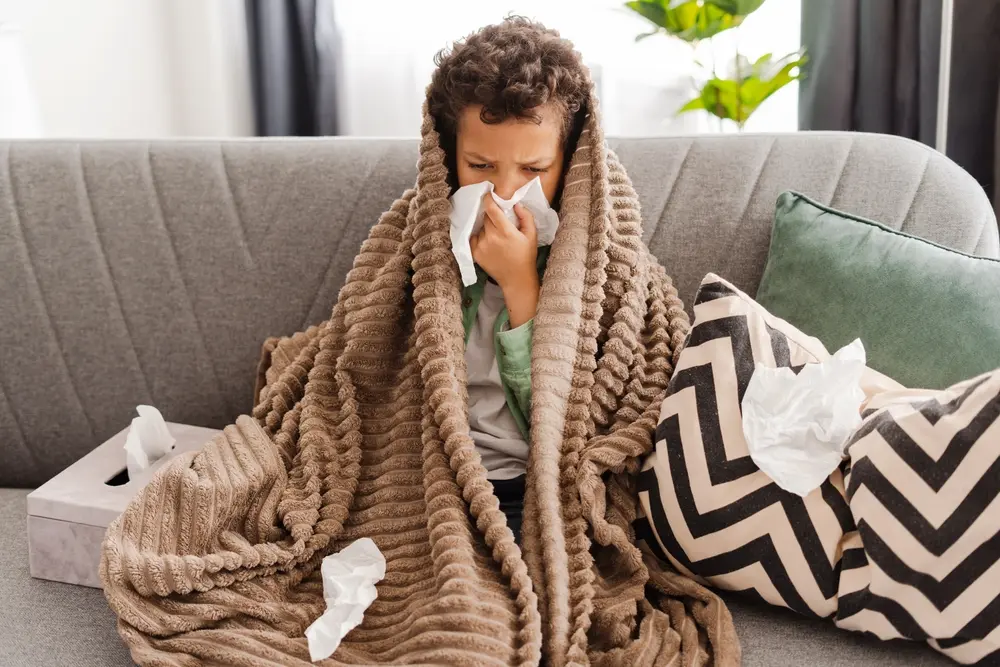
As children head back to school, certain illnesses consistently rise in frequency. Understanding the signs can help families know what to watch for and when to seek help from a health care provider.
The common cold is a rite of passage for school children. Caused by viruses, it spreads easily through coughs, sneezes, and contaminated surfaces. Symptoms include a runny nose, cough, mild sore throat, and fatigue. Most cases resolve on their own, but rest, fluids, and comfort measures are key.
Unlike a cold, influenza (flu) comes on quickly and hits hard. High fever, chills, body aches, and fatigue can keep kids home for a week or longer. A flu shot every fall is one of the most effective ways to reduce the risk.
RSV is especially concerning for infants, toddlers, and older adults. It can start with cold-like symptoms but progress to wheezing and breathing difficulties. Parents and grandparents caring for young children should stay alert for worsening symptoms.
Strep throat is caused by bacteria, not a virus. Symptoms include sore throat, fever, and swollen glands. Unlike a cold, strep requires antibiotics prescribed by a primary care physician. Left untreated, it can lead to serious complications, so timely diagnosis matters.
COVID-19 continues to circulate, especially in crowded indoor environments like schools. While some cases are mild, others may be more severe. A COVID-19 vaccination provides essential protection and helps reduce the severity of symptoms.
Stomach viruses can cause vomiting, diarrhea, and abdominal pain. Dehydration is the biggest concern, particularly for younger children. Hand washing and avoiding shared food and drinks are the best defenses.
The best approach to back-to-school health isn’t eliminating germs altogether (an impossible task) but lowering the chances of infection and keeping the immune system strong. Here are practical steps families can take:


Good hand hygiene is one of the simplest and most effective defenses. Teach children to wash their hands with soap and water for at least 20 seconds before eating, after using the bathroom, and after blowing their nose or coughing. When soap and water aren’t available, hand sanitizer is a useful backup.
Kids are notorious for sharing germs. Encourage them to cover their mouth and nose with a tissue or their elbow when they cough or sneeze. Remind them to throw tissues away immediately and wash their hands afterward.
As tempting as it may be to keep up with your routines, sending a sick child to school only spreads illness further. Staying home allows time for rest and prevents classmates from catching the same bug.
Sleep is the body’s repair mode. School children need consistent bedtimes to get the recommended hours of sleep each night. Lack of sleep weakens the immune system, making it harder to fight infections.
Nutrition is another line of defense. Encourage meals rich in fruits, vegetables, whole grains, and protein. A strong diet provides vitamins and minerals that strengthen the immune system and help children recover faster when they get sick.
Water helps flush toxins and keeps the body functioning well. Encourage children to carry a water bottle to school and limit sugary drinks that can weaken immunity.
Regular visits to the primary care physician help ensure children are growing well and staying healthy. Annual flu shots and up-to-date COVID-19 vaccinations are important tools for preventing severe illness.
Beyond hygiene and vaccines, lifestyle choices are essential in keeping the immune system resilient.
Remember, no family can prevent every cough or runny nose. The goal is to reduce the frequency and severity of illnesses. Even when a child does get sick, good overall health helps them bounce back more quickly.
Not every cough or sore throat requires a doctor’s visit. But there are times when calling a primary care physician is the right move:
You don’t need to rush to the ER for every runny nose. However, if symptoms are severe or worsening, timely medical care can prevent complications.
While prevention at home makes a big difference, clinical research pushes things forward in ways that directly impact families.
In recent years, we’ve seen real progress in how doctors and researchers approach illnesses like the flu, RSV, strep throat, and COVID-19. Faster testing means you no longer have to wait days to know whether your child’s sore throat is strep or just the common cold. New vaccines and treatments are helping prevent the most severe cases of flu and COVID-19.
Science 37 is part of this progress. Through decentralized clinical trials, we’re making it easier for families to participate in studies that advance treatments for the illnesses that most affect schoolchildren. Instead of requiring long trips to a hospital, our trials bring participation closer to home with virtual visits, local labs, or home-based kits. That means more parents and grandparents can contribute to research without putting their lives on hold, and discoveries happen faster.