

For many families living with Lennox-Gastaut Syndrome (LGS), the daily focus is often—understandably—on seizure control. When you are managing multiple types of seizures, including dangerous drop seizures that can lead to injury, the physical safety of your loved one is the immediate priority. However, LGS is a multifaceted condition that extends far beyond the electrical storms in the brain.
To truly understand LGS, we must look at the "hidden" challenges: the cognitive impairment and behavioral health issues that significantly impact the quality of life for both the patient and the caregiver. As medical advancements continue to evolve, our approach to research is also changing, shifting toward a more inclusive model that addresses the whole person, not just their seizure count.
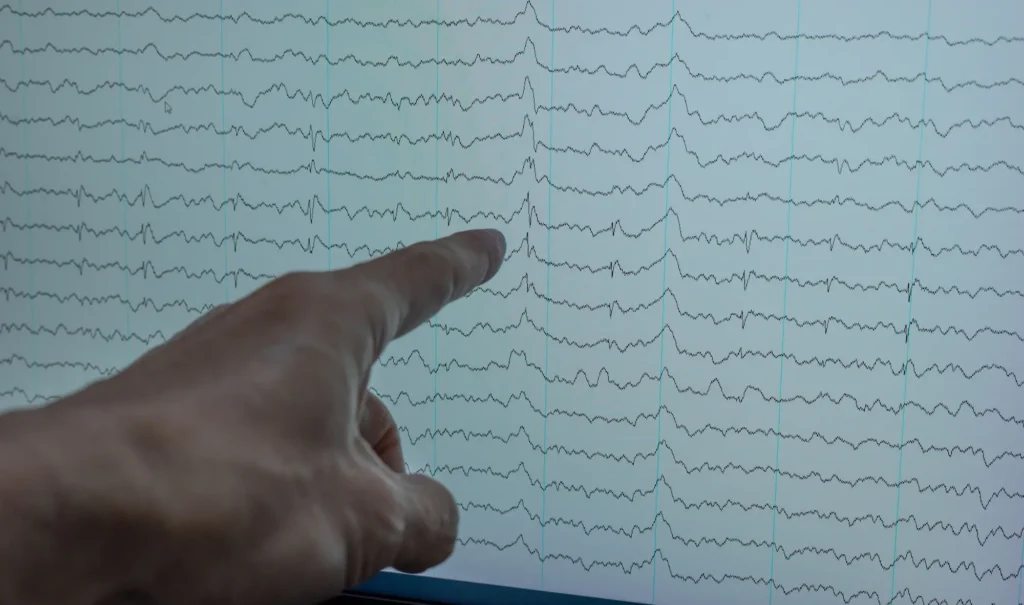
One of the defining characteristics of Lennox-Gastaut Syndrome is a specific pattern found on an electroencephalogram (EEG) known as the "slow spike-and-wave." While a typical EEG shows rapid electrical communication between brain cells, the LGS brain often displays a rhythmic, slower electrical discharge (usually less than 2.5 Hertz).
What does this mean for daily life? These slow-wave discharges occur not just during a seizure, but often while the patient is awake and appearing "stable." This constant background noise in the brain acts like static on a radio, making it difficult for the brain to process information, learn new skills, or retain memories. This is a primary driver of the cognitive impairment seen in LGS. By understanding this electrical signature, researchers are better equipped to develop therapies that don't just stop a physical convulsion, but also help "clear the static" to support better cognitive function.
There is a common misconception that if you can stop the seizures, you "fix" the LGS. Unfortunately, the reality is more complex. Understanding the truth behind these myths is essential for finding the right care and research opportunities.
Historically, participating in LGS clinical trials required frequent, stressful visits to specialized epilepsy centers. For a patient who may struggle with sensory processing or the anxiety of new environments, these trips can trigger behavioral outbursts or even more frequent drop seizures.
This is where decentralized research is making a massive difference. Through at-home study participation, Science 37 allows families to contribute to medical science from the safety and comfort of their living rooms.
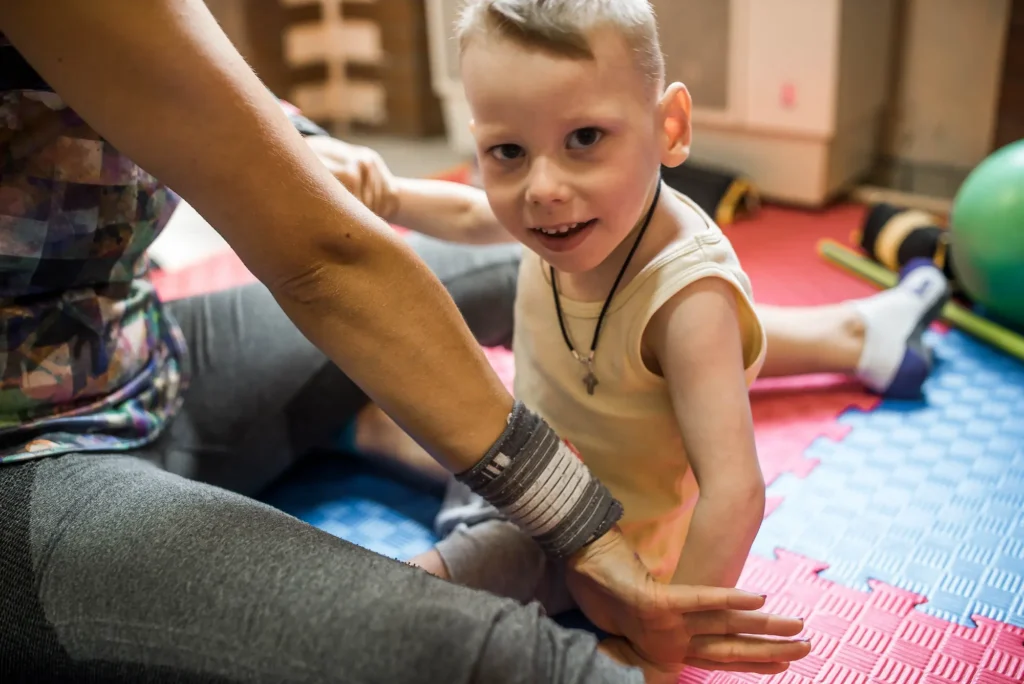
Why the home environment matters for LGS data:

The goal of modern LGS clinical trials is no longer just "seizure reduction." We are looking for treatments that help a child stay more alert during the day, improve their ability to communicate their needs, and reduce the behavioral hurdles that make social interaction difficult.
By choosing to participate in a virtual clinical trial, you are helping researchers understand the full spectrum of Lennox-Gastaut Syndrome. You are providing the data needed to create a future where treatments are as diverse as the needs of the LGS community.
How do drop seizures affect long-term cognitive health? Drop seizures (atonic seizures) cause a sudden loss of muscle tone. While the seizure itself is brief, the frequent "resets" to the brain's electrical state and the constant risk of head trauma can contribute to further cognitive delays and an increased fear of physical activity.
What behavioral health support is available for LGS families? In addition to medication, many families find success with Applied Behavior Analysis (ABA) therapy, sensory integration, and specialized educational plans. Clinical research is also looking into how non-sedating therapies can help manage irritability without causing further grogginess.
Can my child join a trial if they are non-verbal? Absolutely. In fact, it is vital that non-verbal patients are represented in research. Decentralized trials use caregiver-reported outcomes and objective data from wearable devices to ensure that every patient’s experience is captured, regardless of their ability to speak.
What is the "slow" in slow spike-wave? The "slow" refers to the frequency of the electrical pulses. In LGS, these pulses happen at a rate that interferes with the brain's ability to "keep up" with incoming information, leading to what many describe as a cognitive "fog."
At Science 37, we believe that research should fit your life—not the other way around. Managing Lennox-Gastaut Syndrome is a full-time job, and your contribution to science shouldn't make that job harder. By bringing the trial to you, we ensure that the most vulnerable patients have a seat at the table in developing the next generation of epilepsy care.
If you are ready to explore a different kind of research experience—one that values the cognitive and behavioral health of your loved one as much as you do—view our current LGS study opportunities today.