

Epilepsy is never simple, but Lennox-Gastaut Syndrome (LGS) represents one of the most complex and difficult mountains to climb in the landscape of neurological disorders.
Emerging typically in early childhood (between ages 3 and 5), LGS is a rare and severe childhood epilepsy characterized by multiple types of seizures and cognitive challenges. Unlike some pediatric syndromes that children "outgrow," the journey of LGS often persists well into adulthood, requiring a lifetime of care, advocacy, and adaptation.
For families, the diagnosis brings a heavy realization: this is likely drug-resistant epilepsy. But while the diagnosis is tough, the community is tougher. By understanding the unique seizure landscape, prioritizing safety, and engaging with new research, families can navigate the transition from diagnosis to daily management and eventual transition to adult care.
LGS is defined by its volatility. Children and adults with LGS don’t just experience one type of seizure; they experience a mix, often on a daily basis.
The most distinguishing (and dangerous) feature of LGS is the presence of atonic seizures, commonly known as "drop attacks." During these episodes, the body suddenly loses all muscle tone. If the person is standing, they collapse instantly, leading to a high risk of head injury or broken bones.
Other common types include:
Because these seizures often occur in seizure clusters, the physical toll on the patient is immense.
One of the hardest conversations a doctor has with an LGS family is explaining that standard anti seizure medications may not work. LGS is notoriously resistant to treatment.
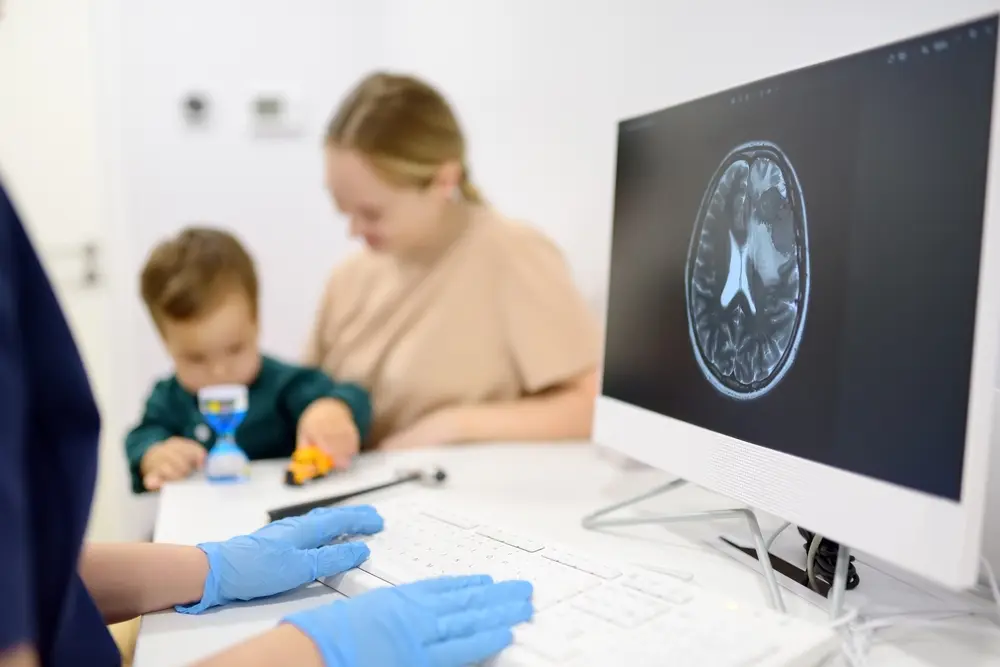
While magnetic resonance imaging (MRI) is used to rule out brain lesions or tumors, it often comes back normal in LGS patients, meaning there is no single "spot" in the brain to operate on. However, for some, epilepsy surgery (like corpus callosotomy) can help reduce drop attacks.
When medications fail, families often turn to palliative treatments to improve quality of life:
This difficulty in treatment is exactly why clinical trials for LGS are so critical. We are still searching for the key that unlocks better control for this specific community.
When living with drop attacks and cognitive impairment, safety becomes a lifestyle. Here is a practical guide for setting up a safe environment.
For a person with LGS, routine is everything. Stress, lack of sleep, and changes in environment are major triggers for seizures. This presents a catch-22: LGS treatment options need to improve through research, but participating in traditional clinical trials (which require travel and long hospital visits) can trigger the very seizures families are trying to stop.
This is why decentralized clinical trials are a beacon of hope for the LGS community.

By bringing the trial to the patient, using mobile nursing units, telehealth, and home delivery of study medications, we remove the disruption.
Real-World Data: Researchers get to see how the treatment works in real life, not just in a sterile clinic.
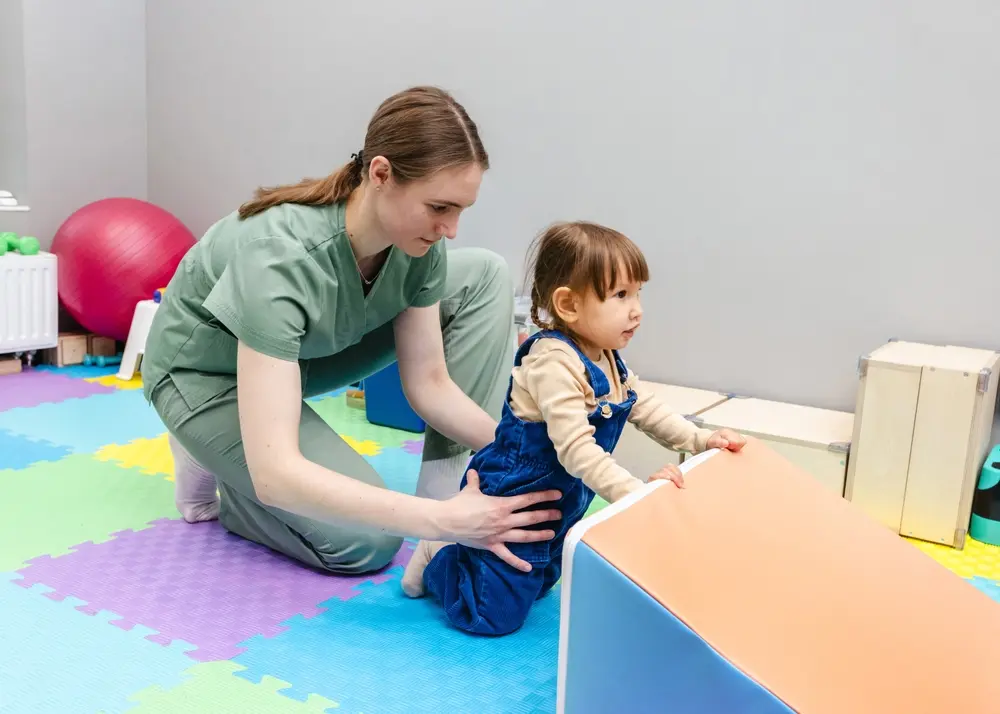
Living with LGS is a marathon, not a sprint. While the family history of epilepsy is rare in LGS (it usually appears sporadically), the family future is one of resilience.
Connecting with family resources for epilepsy, such as the LGS Foundation, reminds you that you aren't navigating this alone. And by exploring research opportunities, you are actively helping to rewrite the future of this condition.
1. Does LGS affect intelligence?
Yes, most individuals with Lennox-Gastaut Syndrome experience some degree of intellectual disability or cognitive impairment. This is often due to the combined effect of the underlying brain cause and the frequent, uncontrolled electrical activity during critical periods of development.
2. Is LGS genetic?
In many cases, the cause is unknown (idiopathic). However, it can result from brain malformations, lack of oxygen at birth, or severe brain infections. A family history of epilepsy is actually less common in LGS than in other epilepsy syndromes, though genetic research is ongoing.
3. What is the difference between a drop attack and a faint?
Atonic seizures (drop attacks) are sudden and forceful. The person doesn't slowly "swoon" like in a faint; they are thrown to the ground as if their strings were cut. Recovery is usually immediate, whereas someone who faints may be groggy or confused for a while.
4. How do I transition my child to adult care?
Transition to adult care is a major hurdle in LGS. It requires early planning (starting around age 14) to transfer medical records, establish legal guardianship if necessary, and find an adult neurologist familiar with severe childhood epilepsy syndromes that persist into adulthood.
Discover active clinical trials for Lennox-Gastaut Syndrome.